
Design Strategy
LIDS
Counter-UAS Defense Platform
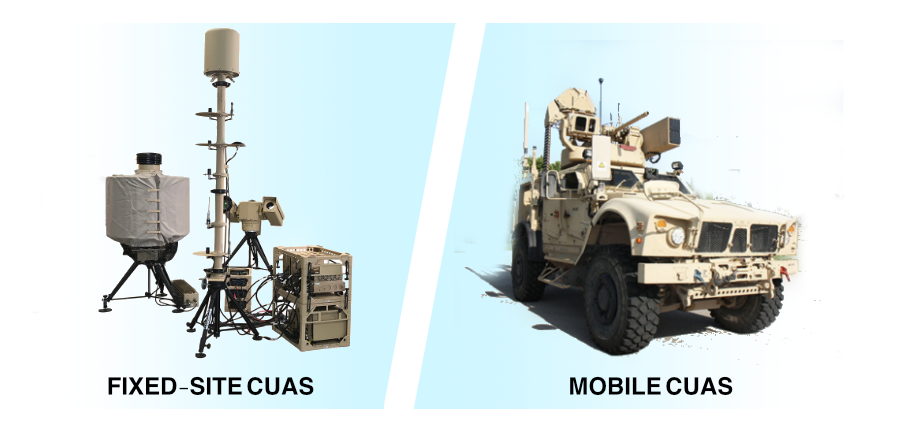
A deployed counter-UAS defense platform developed to address the growing threat of low-altitude unmanned aerial systems. It combines multiple sensing and defeat technologies under a unified operational interface, enabling layered airspace protection in contested environments.
Focus Areas
System-of-systems usability alignment
Maintenance and sustainment workflow optimization
Legacy interface modernization
Cognitive load reduction across operational and diagnostic interfaces
Key Deliverables
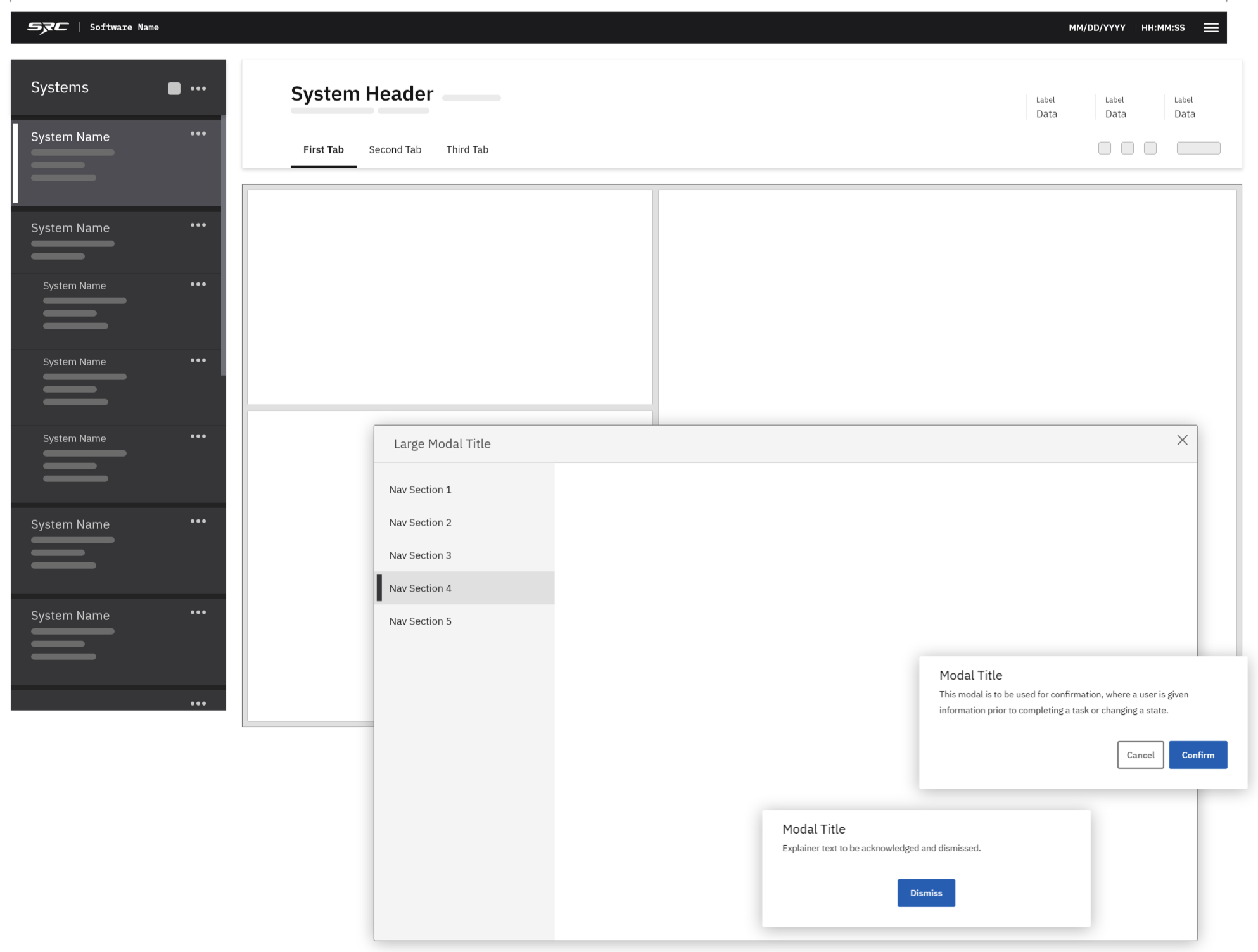
New Maintenance GUI design and implementation
Operational UI and workflow enhancements
Gaming-controller-based camera control integration
Human factors improvements aligned with MIL-STD-1472
Environment
Mission-critical, government-funded defense program
Timeline
2021 -2024 - Research & Design
2024 -2026 - Management & Sustainment
The Problem
As operational demands increased, government stakeholders mandated reductions in lifecycle sustainment costs and reliance on specialized maintainers. Although technically mature, the platform’s legacy interface designed in the early 2000s had not been evaluated against modern usability or human factors standards.
Business Constraint
Modernization had to occur without destabilizing a deployed, mission-critical system.
User Reality
Maintainers and operators were navigating engineering-centric tools that increased cognitive load and reinforced dependence on expert knowledge.
The result was a misalignment between customer mandate, business constraints, and user experience.
Understanding Operational Context
Field Research & Immersion
To understand the system in context, I conducted hands-on research across simulated and live operational environments.
Participated in test events to observe system behavior under realistic operational conditions
Spent 14 days at Yuma Proving Grounds embedded with operators and maintainers
Observed startup, engagement, troubleshooting, and shutdown workflows
Documented task sequences, decision points, and workarounds
Conducted interviews to uncover pain points, mental models, and informal processes
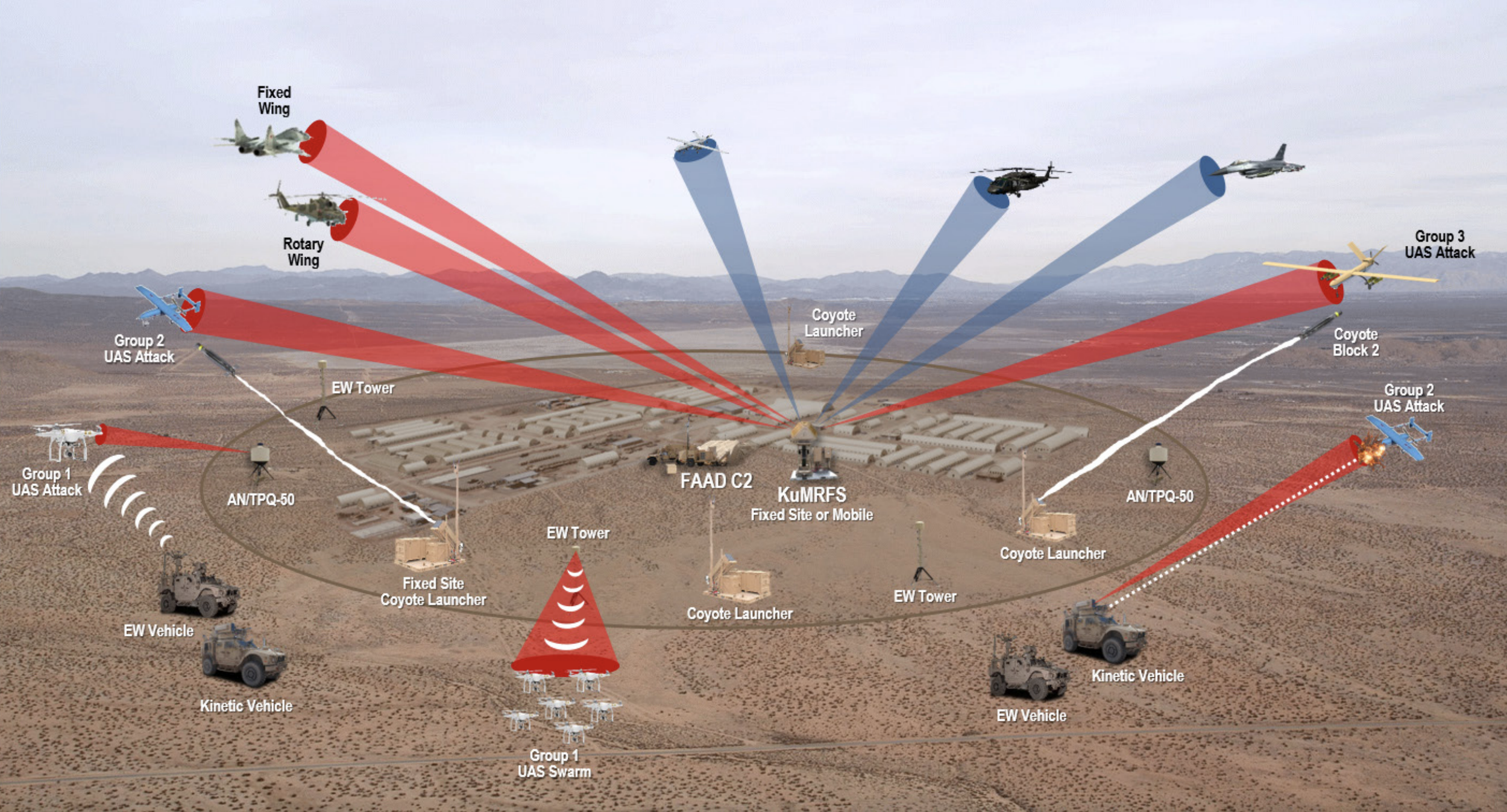
LIDS High Level Operational Concept
Technical & Stakeholder Alignment
In parallel, I worked closely with engineers and program stakeholders to understand:
Subsystem architecture and technical constraints
Legacy dependencies and integration risks
Built-In Test (BIT) logic and diagnostic limitations
Contractual and operational requirements
This dual perspective—field reality and engineering constraint—was critical in shaping pragmatic modernization strategies.
Deliverables
Critical Findings
Through analysis of operational and maintenance workflows, several systemic usability challenges became clear. While the platform was technically capable, the human-system interaction layer had not evolved alongside its growing operational complexity.
“Right now, we’re using multiple tools and relying on experienced maintainers just to complete routine tasks. We need one system that guides us through maintenance clearly and efficiently.” - Maintainer
Key Findings
Engineering-Centric Maintenance Tools
The primary maintenance interface was designed as a diagnostic engineering tool rather than a field-ready workflow system, making navigation difficult—even for experienced users.High Interdependency & Informal Workarounds
Operators and maintainers relied heavily on each other, often adopting non-conventional methods to compensate for usability gaps.Gap Between Engineering Design and User Reality
System architecture prioritized technical implementation over end-user interaction efficiency, reinforcing dependence on subject-matter expertise.
Fragmented Workflows
Operational and maintenance tasks were not streamlined across subsystems, leading to inconsistent interaction patterns and reliance on memorized steps.Outdated Documentation & Reporting Friction
Technical manuals were complex and outdated, and data gathering lacked a centralized, intuitive reporting workflow.
Design Strategy & Modernization Approach
Research revealed that the existing maintenance interface functioned as a diagnostic engineering tool rather than a field-ready workflow system. It required deep system knowledge, relied on memorized steps, and offered limited contextual guidance.
To address this, the modernization strategy shifted from engineering-centric tooling to a maintainer-centered platform aligned with user mental models, real-world task flow, and sustainment objectives.
The result was the design and delivery of a dedicated Maintenance GUI purpose-built to support operational efficiency and reduce reliance on subject-matter expertise.
Program Impact & Global Deployment
As part of a landmark $1B agreement, SRC, Inc. was selected to deliver advanced counter-UAS technologies to Qatar under a U.S. government foreign military sales initiative.
This agreement supports the deployment of the LIDS counter-UAS platform internationally, reinforcing its operational maturity, scalability, and strategic relevance. The program demonstrates the system’s validated performance in real-world environments and its role within broader U.S. defense partnerships.
The selection of LIDS as part of this agreement underscores the platform’s capability, adaptability, and long-term sustainment value within a $1B defense investment framework led by the United States Army.